


Surviving July Monsoons: The Threat to Your Condenser
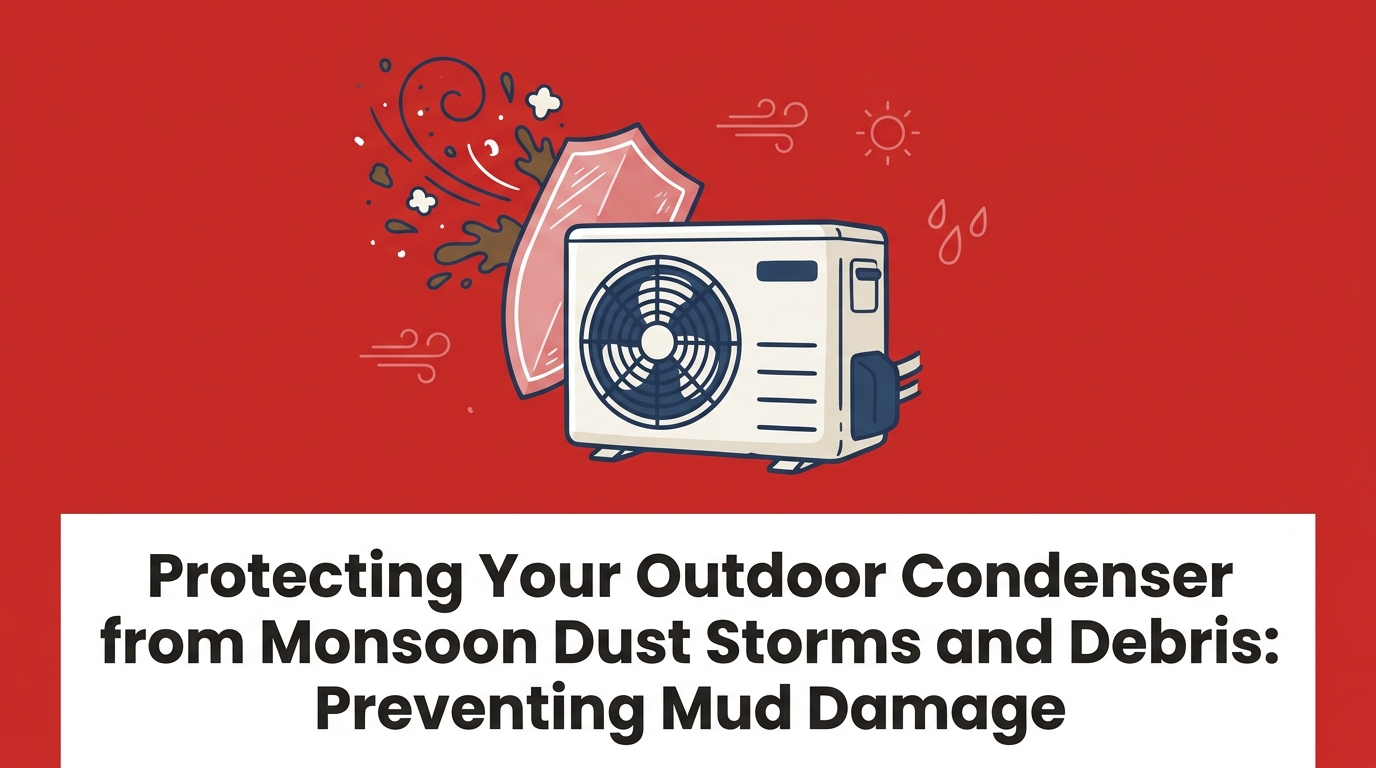
The July monsoon season brings intense heat to the Southwest, but protecting your outdoor condenser from monsoon dust storms and debris is just as critical as managing the indoor temperature. Before the first major haboob hits, it is important to understand exactly how these severe weather events interact with your cooling equipment. A typical pattern we see is a perfectly clear afternoon suddenly giving way to a massive wall of dust, overwhelming everything in its path.
If you need help keeping your system running smoothly, our air conditioning services and routine AC maintenance in Benson are designed to handle exactly these extreme conditions.
During the peak of the July monsoon and haboob season, your air conditioner is usually running at maximum capacity. The outdoor unit, known as the condenser, pulls in massive amounts of air to release the heat collected from inside your home. When a dust storm rolls through, that same powerful fan begins pulling in dense clouds of airborne dirt. The concrete problem many homeowners face is that this dust quickly cakes onto the exterior fins, severely restricting the critical airflow required to keep the system functioning.
This creates an immediate decision point: you know the unit needs to be cleaned to survive the summer heat, but you must figure out how to safely rinse off the debris without causing permanent damage to the delicate internal components. Taking a "do no harm" approach to post-storm cleanup is essential. Aggressive cleaning methods often cause more harm than the storm itself, leading to expensive repairs right when you need cooling the most. By understanding the unique threat these storms pose, you can take proactive steps to protect your investment and ensure your home stays comfortable all season long.
Why Desert Dust and Monsoon Rain Create a Unique Hazard
Not all dust is created equal, and the particulate matter stirred up in Benson, AZ and surrounding Cochise County desert areas presents a very specific challenge for mechanical equipment. Normal, dry yard dust is relatively heavy and tends to settle loosely on surfaces. In contrast, the high winds of a haboob lift ultra-fine silt high into the air. This powdery substance is fine enough to bypass standard protective grilles and work its way deep into the narrow crevices of your outdoor condenser.
The Adobe Brick Effect
The real danger occurs when this fine desert silt mixes with moisture. In the Cochise County desert environment, high winds often lift this fine silt just minutes before the localized monsoon rain hits. Even if the rain holds off, your air conditioner naturally produces condensation while it operates. When the powdery haboob dust meets this moisture, a chemical-like reaction occurs. The mixture forms a thick, heavy slurry that coats the aluminum fins of your outdoor unit.
Once the storm passes and the intense Arizona sun returns, this slurry bakes onto the coils, forming a cement-like mud crust. This is not something that will simply blow away in the breeze. As this mud hardens, it effectively seals off the airflow pathways. Your air conditioner relies on moving massive volumes of air across those fins to dissipate heat. When the fins are choked by baked-on mud, the heat remains trapped in the system.
This restricted airflow forces the compressor to work twice as hard to achieve the same amount of cooling. In fact, a heavily impacted condenser can experience up to a 30% reduction in cooling efficiency. This forces the system to run in longer, more strenuous cycles, drawing significantly more electricity and putting immense mechanical strain on the moving parts. Because there are different types of HVAC systems that handle heat transfer in slightly different ways, the exact impact can vary, but the fundamental physics remain the same: a mud-caked unit cannot breathe, and a unit that cannot breathe will eventually fail.
The Fragile Nature of Condenser Fins (And Why Pressure Washers Destroy Them)
To understand why post-storm cleaning requires such care, you have to look closely at how the outdoor condenser is built. The large metal box sitting in your yard might look rugged and indestructible, but its most critical components are incredibly delicate. The sides of the unit are lined with thousands of thin metal strips called condenser fins. These fins are designed to maximize surface area for heat transfer, but that efficiency comes at the cost of durability.
Standard AC condenser fins are made of soft aluminum and are typically only 0.004 to 0.008 inches thick. To put that in perspective, they are significantly thinner than a standard aluminum soda can. During the July monsoon and haboob season, when these fins become plastered with hardened mud, the most common homeowner instinct is to drag out the heavy-duty cleaning equipment. After all, a pressure washer is great for blasting mud off a driveway or a truck tire.
The stark warning: Pointing a pressure washer at your air conditioner is a guaranteed way to destroy it. A standard pressure washer starts at 1,000 PSI (pounds per square inch) and can easily exceed 3,000 PSI. When that highly pressurized stream of water hits the 0.004-inch aluminum fins, it instantly folds them flat against the coil.
• Standard Garden Hose — Water Pressure (PSI): 40 - 60 PSI — Impact on Condenser Fins: Safe. Gently washes away loose dirt without bending aluminum.
• High-Pressure Nozzle — Water Pressure (PSI): 100 - 200 PSI — Impact on Condenser Fins: Risky. Can bend older or slightly oxidized fins.
• Electric Pressure Washer — Water Pressure (PSI): 1,000 - 1,500 PSI — Impact on Condenser Fins: Destructive. Flattens fins instantly, choking system airflow.
• Gas Pressure Washer — Water Pressure (PSI): 2,500+ PSI — Impact on Condenser Fins: Catastrophic. Shreds aluminum and can puncture internal copper coils.
Once the fins are flattened, air can no longer pass through them at all. The system will rapidly overheat, often leading to immediate compressor failure. As a local authority on cooling systems, we prioritize protecting your equipment and keeping your manufacturer's warranty intact over quick fixes. If your fins are flattened by high-pressure water, you will likely need professional AC repair to have a technician spend hours meticulously combing the fins back open—if they can be saved at all.


Immediate Steps to Take When a Haboob Hits
When you see the sky turning brown and the wind picking up across Benson, AZ and surrounding Cochise County desert areas, proactive steps can save your system from severe impaction. The sudden microbursts that often accompany local dust storms can blow heavy yard debris directly into the condenser area, creating a mess that goes far beyond just dust.
Here is a safe, actionable checklist to follow before, during, and immediately after a severe dust event:
• Turn off the AC at the thermostat: If you see a haboob approaching, temporarily shut off your cooling system. A running condenser acts like a giant vacuum, actively sucking massive amounts of airborne dirt into the coils. Shutting it down for the 30 to 60 minutes the storm takes to pass prevents the deepest impaction.
• Never cover the unit with a tarp: It might seem logical to throw a plastic tarp over the condenser to keep the dust out, but this is incredibly dangerous. If the system accidentally turns on while covered, it will overheat almost instantly. Furthermore, plastic traps moisture inside the unit, accelerating rust and electrical corrosion.
• Clear large yard debris immediately: Once the winds die down, head outside and inspect the unit. Microbursts often snap branches, blow tumbleweeds, and scatter heavy leaves. Clear all physical debris at least two feet away from all sides of the outdoor condenser to ensure the fan has a clear path to pull in air.
• Check and replace indoor air filters: The outdoor unit isn't the only part of your system working overtime during a storm. Fine silt inevitably makes its way indoors. Check your return air filter immediately after a major dust event; you will likely find it coated in a thick layer of brown dirt. Replacing it right away restores indoor airflow and protects the blower motor.
The Safe Way to Rinse Monsoon Mud from Your Outdoor Unit
If your condenser is coated in a layer of dust after a storm, a gentle exterior rinse is the best way to restore efficiency. During the July monsoon and haboob season, performing this maintenance correctly is vital to your system's survival. We firmly believe in a "do no harm" philosophy, emphasizing that safe exterior rinsing protects the system's lifespan while keeping your warranty completely intact.
Follow these specific steps to safely remove the mud without damaging the delicate aluminum fins:
1. Shut off the power completely. Never spray water onto an air conditioner that is plugged in or running. Go to the outdoor disconnect box located near the unit and pull the plug or flip the switch. For absolute safety, also turn off the dedicated breaker for the AC in your main electrical panel.
2. Equip a standard garden hose. Attach a gentle spray nozzle to your standard yard hose. You want a setting that mimics a heavy rain shower, providing a safe 40-60 PSI. Do not use jet settings or anything that concentrates the water into a hard, stinging stream.
3. Spray at a downward angle. Stand a few feet back from the unit and aim the water downward, following the vertical direction of the aluminum fins. Never spray directly horizontal into the unit, and never spray upward, as this can force mud and water deeper into the sensitive electrical components housed near the top of the condenser.
4. Rinse gently until the water runs clear. Slowly work your way around the unit, allowing the gentle flow of water to soften the mud and wash it down into the rock or soil below. Avoid any physical scrubbing. Never take a stiff brush, a broom, or a scraper to the fins, as this will easily bend them.
5. Respect the boundary of DIY cleaning. This procedure is strictly for exterior surface rinsing only. Never attempt to remove the protective grilles, take off the top fan assembly, or disassemble the unit to reach the inside.
Once the water running off the bottom of the unit is completely clear of brown silt, allow the unit to air dry for about 30 minutes before restoring power at the breaker and turning the thermostat back on.
Recognizing When DIY Cleaning Reaches Its Limits
While a gentle exterior rinse with a garden hose is excellent for surface-level dust, it is crucial to establish clear boundaries between safe homeowner maintenance and the need for professional intervention. In Benson, AZ and surrounding Cochise County desert areas, the combination of fine silt and moisture often results in mud penetrating deep into the interior layers of the condenser coil, far beyond the reach of a garden hose.
If the mud has baked solidly between the inner layers of the fins, an exterior rinse will simply bounce off the surface, leaving the core blockage intact. You must be able to recognize the signs of deep impaction. If you notice any of the following symptoms even after you have rinsed the exterior, the system requires professional attention:
• The unit runs constantly: The system struggles to reach the set temperature on the thermostat and never cycles off.
• Frequent breaker tripping: The overworked compressor draws too much amperage, causing the electrical breaker to trip repeatedly as a safety mechanism.
• Inadequate cooling: The air coming from your indoor vents feels lukewarm instead of crisp and cold, indicating that heat is not being successfully expelled outside.
When you encounter these signs, a licensed professional has the tools and training to resolve the issue safely. What a professional does differently involves safe internal coil cleaning. Technicians safely disassemble the outer housing and apply specialized, non-acidic chemical foaming agents. These unique chemicals are designed to aggressively lift away baked-on mud and dirt without reacting with or degrading the thin aluminum fins.
Highlighting local expertise in dealing with Cochise County mud impaction specifically is important because generic HVAC advice often underestimates the severity of haboob mud. Furthermore, professional cleaning protects your manufacturer's warranty, which can be instantly voided if a homeowner attempts improper DIY disassembly or uses unapproved chemical solvents. Keeping your system enrolled in a routine maintenance plan ensures that these deep cleanings happen safely and on schedule.
Securing Your System for the Rest of the Summer
As the July monsoon and haboob season continues to bring unpredictable weather, staying proactive about your outdoor condenser's cleanliness is the best way to prevent unexpected breakdowns. The key takeaway is that gentle, safe rinsing will always triumph over aggressive, damaging methods like pressure washing. By taking a few minutes to properly shut down the system during a storm and gently rinsing the exterior afterward, you are actively extending the life of your equipment.
The ultimate goal is the peace of mind that comes from knowing your unit is clean, completely undamaged, and fully prepared to handle the peak summer heat. If you suspect that the monsoon mud has penetrated too deeply, or if you simply want the assurance that your system is operating at absolute peak efficiency, do not wait for the compressor to overheat. Reach out to a professional to learn more about comprehensive maintenance options that will keep your home cool and comfortable, no matter what the desert weather brings.
Frequently Asked Questions
How do you clean an AC condenser after a haboob?
The safest way to clean an AC condenser after a haboob is to turn off the power at the breaker and use a standard garden hose with a gentle spray nozzle. Aim the water at a downward angle, following the direction of the metal fins, to carefully rinse away the dust and mud. Never use a pressure washer or a stiff brush, as these will easily bend the delicate aluminum fins and severely restrict system airflow.
Should I cover my AC unit during a dust storm?
You should never cover your AC unit with a tarp or plastic sheet during a dust storm. If the system accidentally turns on while covered, it will quickly overheat and potentially destroy the compressor. Additionally, tight covers trap moisture inside the unit, which can lead to rapid rust and electrical corrosion over time.
Can a pressure washer damage AC fins?
Yes, a pressure washer will cause immediate and severe damage to AC fins. The aluminum fins on an outdoor condenser are extremely thin—often less than 0.008 inches thick—and the high-velocity water from a pressure washer will instantly flatten them. Once the fins are bent flat, the unit cannot pull in air to cool itself, leading to dangerous overheating and costly repairs.
Is it safe to run AC during a dust storm?
It is highly recommended to turn off your AC at the thermostat while a severe dust storm is actively passing through your area. When the unit is running, the powerful outdoor fan acts like a vacuum, actively pulling massive amounts of fine dirt deep into the condenser coils. Shutting the system down for the brief duration of the storm prevents this deep impaction and makes post-storm cleanup much easier.
What happens if monsoon mud dries on my outdoor AC unit?
If monsoon mud is allowed to dry and bake onto your outdoor AC unit, it forms a hard, cement-like crust that blocks airflow through the condenser fins. This blockage traps heat inside the system, forcing the compressor to work much harder and reducing cooling efficiency by up to 30%. Over time, this extreme mechanical strain can cause the system to overheat, trip electrical breakers, or suffer a complete compressor failure.
Other Blogs

•WHY US
Why Homeowners Choose Us for custom HVAC work
Ann N.
While it was expensive to replace my HVAC I loved with with and They delivered when promised and were very diligent about making sure I understood how the system operated. The knowledge level was SO MUCH HIGHER than anyone else I had received a quote from. I would highly recommend them for HVAC replacement.
Ed T.
americanairaz was very professional and did a thorough job on the installation as well as the annual maintenance check. I would highly recommend All American Air to anyone.
Renaye F.
Great service, professional and affordable company. Very knowledgeable and also took the time to explain everything in detail. Which I appreciated very much. Would definitely recommend.
John C.
First class shop. Very clean install ,would recommend to a friend. Excellent equipment,Mitsubishi is number one in industry.and most efficient seer rating.thank you

Read More Blogs
Explore the world of creative writing and discover how words can paint vivid pictures in the minds of readers.