



Different Types of HVAC Systems — A Homeowner’s Guide to Energy‑Smart Heating & Cooling

Picking the right HVAC system makes a big difference in comfort and energy bills. This guide breaks down the common system types, how they work, and the real benefits homeowners see. Many people struggle to balance comfort, efficiency, and cost — we’ll help you compare options so you can choose what fits your home and budget. Topics include central air, heat pumps, ducted vs. ductless systems, Arizona‑specific efficiency tips, and practical selection advice.
What Are the Main Types of HVAC Systems for Homes?
Homes are typically served by a few common HVAC setups. Knowing how each one performs helps you decide which is the best match for your layout, climate, and comfort goals.
- Central Air Conditioning: Uses ductwork to move cooled air from a central unit to every room. Core parts — compressor, evaporator coil, and condenser — work together to keep indoor temperatures steady. Central systems are popular for even cooling and good overall efficiency.
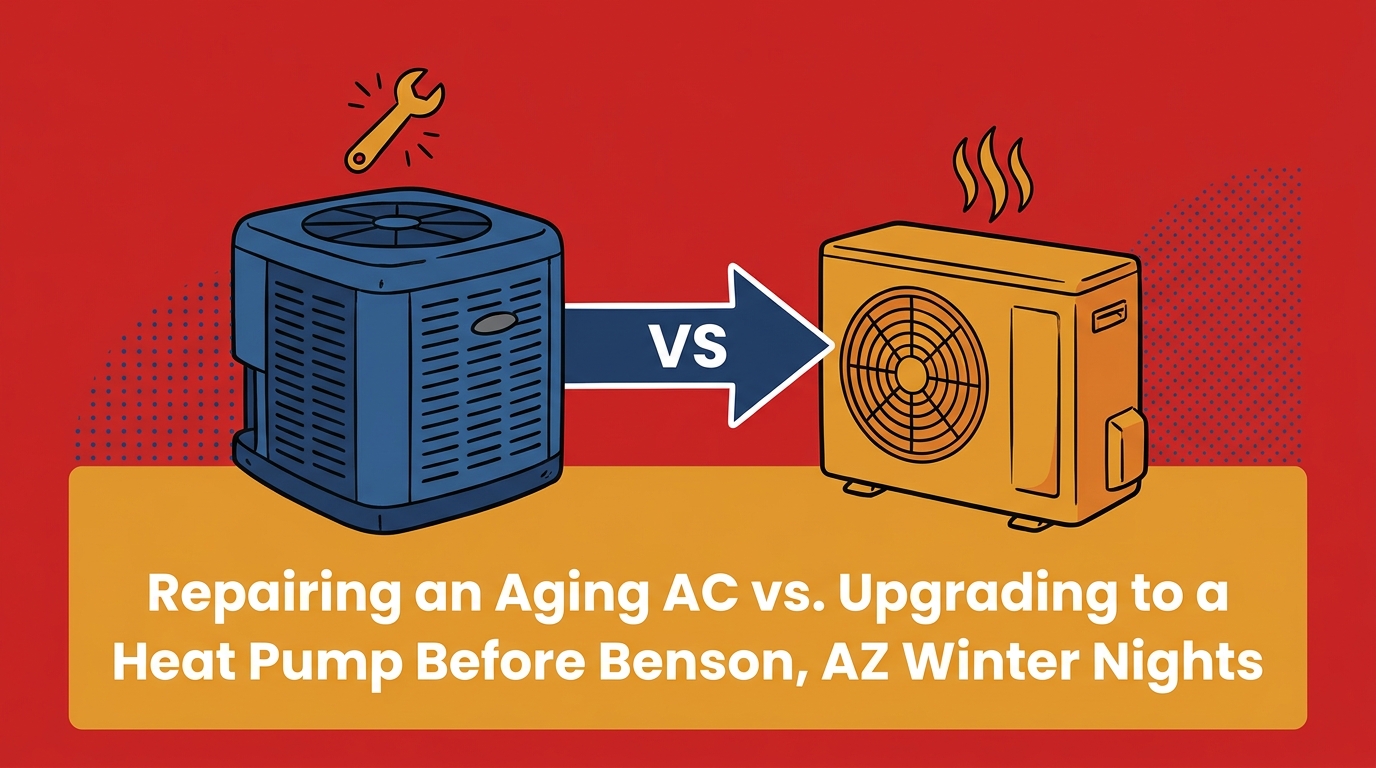
- Heat Pumps: Provide both heating and cooling by moving heat instead of creating it. That makes them an energy‑smart option year‑round. Modern heat pumps perform well in many climates and can lower energy costs, though very cold snaps may call for supplemental heat in some systems.
- Ductless Systems: Mini‑split units use an outdoor compressor and one or more indoor heads to heat or cool zones independently. They’re a great solution for homes without ducts or for room‑by‑room control, reducing wasted energy by conditioning only the spaces you use.
When you’re looking at advanced options, trusted manufacturers like Mitsubishi Electric offer reliable, efficient ductless mini‑splits and heat pumps known for long life and strong performance.
At All American Air LLC we specialize in sizing, installing, and maintaining these systems — we handle installations so your equipment runs efficiently from day one.
How Do Central Air Conditioning Systems Work and What Are Their Benefits?
Central air conditions your home by circulating refrigerant between indoor and outdoor units. The compressor pushes refrigerant through a closed loop, the system pulls heat from inside and expels it outside, and the cooled air travels through ducts to each room.
Key benefits include:
- Consistent temperature control: Central systems keep rooms at a uniform temperature, reducing hot or cold spots for steady comfort. This consistent environment ensures that every area of your home feels equally pleasant, enhancing overall living quality.
- Energy efficiency: Modern systems with high SEER ratings use less electricity to cool your home, lowering monthly bills. Investing in a high-efficiency unit can lead to significant long-term savings on your utility expenses.
- Improved indoor air quality: Built‑in filtration helps capture dust, allergens, and other particles for healthier indoor air. This feature is particularly beneficial for individuals with allergies or respiratory sensitivities, providing a cleaner and safer living environment.
What Makes Heat Pumps an Efficient Choice for Year‑Round Comfort?
Heat pumps heat and cool by reversing the refrigeration cycle: they pull heat from inside and move it outside in summer, and extract heat from outdoor air to warm your home in winter.
They’re efficient because they move heat instead of producing it. Benefits include:
- Lower energy bills: Heat pumps typically use less energy than electric resistance heating and can outperform older systems. Their ability to transfer heat rather than generate it directly results in substantial savings on monthly utility costs.
- Environmental advantages: Using less electricity cuts greenhouse gas emissions, especially when paired with renewable power. This makes heat pumps a more sustainable choice for environmentally conscious homeowners looking to reduce their carbon footprint.
- Versatility: Suitable for many climates and building types, with newer models engineered to work well even in cooler conditions. Their adaptable design allows for effective heating and cooling performance across a wide range of environmental conditions.
How Do Ducted and Ductless HVAC Systems Compare?
Deciding between ducted and ductless comes down to your home’s layout, existing infrastructure, and how you use your space. Each approach has clear pros and cons.
- Ducted systems: Use ducts to distribute conditioned air throughout a home. They work well for larger homes or where ductwork already exists, but poorly sealed ducts can reduce efficiency.
- Ductless systems: Mini‑splits offer flexible installation and zoned control, ideal for homes without ducts or for targeted comfort in specific rooms, which can save energy by avoiding whole‑house conditioning.
What Are the Advantages of Ductless Mini‑Split Systems?

Ductless mini‑splits are an attractive option for many homeowners because:
- Energy efficiency: Inverter compressors adjust speed to meet demand, using less energy and keeping temperature steady. This precise control minimizes energy waste and ensures consistent comfort without frequent on-off cycling.
- Zoned comfort: Control individual rooms independently so you’re not cooling or heating empty spaces. This allows for personalized comfort settings in different areas of your home, leading to significant energy savings.
- Easy installation: Minimal disruption and no ductwork make retrofits quicker and often less expensive. This makes ductless mini-splits an ideal solution for older homes or new additions where installing traditional ductwork would be impractical.
When Is a Ducted HVAC System the Best Option?
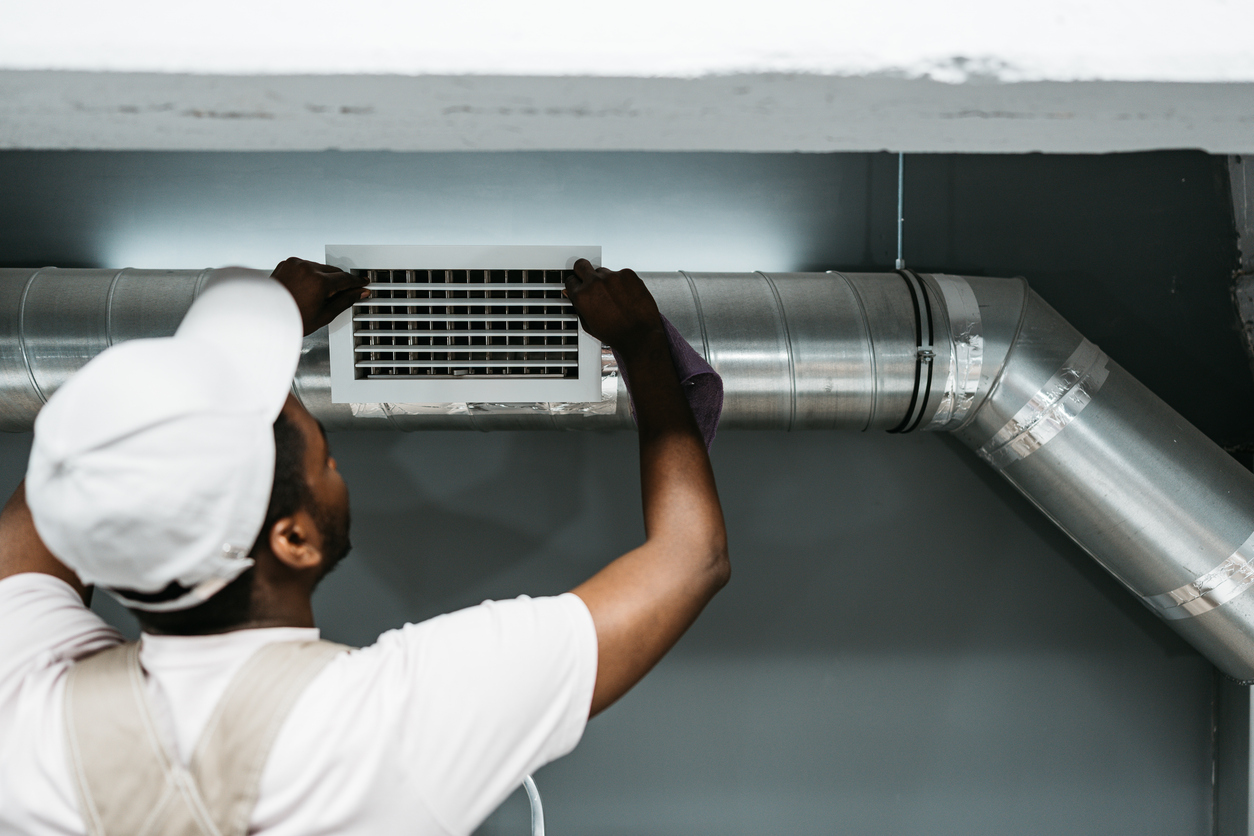
Ducted systems are often the right choice for larger homes or when you want whole‑home comfort from a single system. Benefits include:
- Consistent airflow: Ducts can distribute air evenly to every room. This ensures uniform temperature and comfort throughout your entire home, eliminating hot or cold spots.
- Higher capacity: Designed to handle larger spaces and whole‑home loads. This makes ducted systems highly effective for maintaining comfort in extensive properties with multiple rooms.
- Integrated air quality solutions: Easier to add centralized filtration, humidification, or purification for whole‑house air quality improvements. These integrated solutions provide comprehensive air treatment, benefiting everyone in the household.
Which HVAC Systems Offer the Best Energy Efficiency for Arizona Homes?
Arizona’s heat makes efficiency a top concern. Some systems handle extreme temperatures better while keeping operating costs lower.
- Heat pumps: Modern, high‑temperature heat pumps are efficient and can reduce energy use — a strong option for many Arizona homes. They effectively manage extreme temperatures, providing both cooling and heating with impressive energy savings.
- Ductless mini‑splits: Excellent for targeted cooling and zoned control, which cuts waste in homes with varied usage patterns. This allows homeowners to cool only the occupied areas, significantly reducing energy consumption.
- High‑efficiency central air: Systems with SEER ratings of 14 and above offer strong performance for hot climates when properly installed and maintained. These units are designed to operate efficiently even during Arizona's intense summer heat, keeping energy bills manageable.
How Do Heat Pumps and Mini‑Splits Contribute to Lower Energy Bills?
Both technologies lower bills by transferring heat instead of generating it. That efficiency becomes most noticeable during long cooling seasons when demand — and energy costs — are highest.
What Role Does Proper Installation and Maintenance Play in Efficiency?
Correct installation and routine care are essential to getting the promised efficiency from any HVAC system. Best practices include:
- Professional installation: Proper sizing and setup prevent energy loss, boost performance, and extend equipment life. A correctly installed system operates at its peak efficiency from day one, maximizing your investment.
- Regular maintenance: Scheduled inspections and tune‑ups catch small issues early and keep systems running at peak efficiency. This proactive approach helps prevent costly breakdowns and ensures consistent comfort throughout the year.
For homeowners in Benson, AZ, keeping your heating system maintained helps avoid surprises and keeps your unit working reliably year‑round.
How Can You Choose the Best HVAC System for Your Home’s Heating and Cooling Needs?
Choosing the right system means weighing a few practical factors so the final decision fits your home and budget.
- Home size and layout: Larger homes usually benefit from ducted systems, while smaller homes or additions may be better served by ductless solutions. Understanding your home's specific dimensions and architectural features is crucial for selecting the most effective system.
- Energy efficiency: Look for strong SEER and HSPF ratings to lower long‑term operating costs. Higher ratings indicate better energy performance, translating into significant savings on your monthly utility bills.
- Budget: Balance upfront installation costs against ongoing energy and maintenance expenses to find the best value. A comprehensive financial assessment helps ensure your chosen system is both affordable initially and economical to operate over its lifespan.
What Factors Should Influence Your HVAC System Selection?
Consider these points when picking a system:
- Climate: Your local weather is a major factor — modern heat pumps now perform well in hotter areas, but climate should guide your choice. Selecting a system optimized for your region's specific temperature extremes will ensure maximum efficiency and comfort.
- Energy costs: Compare how different systems will affect monthly bills to choose the most cost‑effective option over time. This long-term financial perspective is essential for making an informed decision that benefits your budget.
- Comfort needs: Decide whether zone control matters for your household and whether you need whole‑home or room‑by‑room solutions. Tailoring the system to your family's specific comfort preferences ensures everyone enjoys their living space.
How Do Financing and Maintenance Plans Support Your HVAC Investment?
HVAC is an investment, but financing and maintenance plans make it manageable. All American Air LLC offers flexible financing options to spread costs and maintenance plans that protect your system, extend its life, and reduce surprise repairs.
Ready to Upgrade Your HVAC System?
Knowing the differences between system types helps you pick the right fit for comfort and long‑term savings. Consider efficiency, installation, and upkeep when planning an upgrade. We at All American Air LLC are ready to walk you through options and provide a personalized recommendation. Contact us today to schedule a consultation and start saving on energy while staying comfortable.
Other Blogs

•WHY US
Why Homeowners Choose Us for custom HVAC work
Ann N.
While it was expensive to replace my HVAC I loved with with and They delivered when promised and were very diligent about making sure I understood how the system operated. The knowledge level was SO MUCH HIGHER than anyone else I had received a quote from. I would highly recommend them for HVAC replacement.
Ed T.
americanairaz was very professional and did a thorough job on the installation as well as the annual maintenance check. I would highly recommend All American Air to anyone.
Renaye F.
Great service, professional and affordable company. Very knowledgeable and also took the time to explain everything in detail. Which I appreciated very much. Would definitely recommend.
John C.
First class shop. Very clean install ,would recommend to a friend. Excellent equipment,Mitsubishi is number one in industry.and most efficient seer rating.thank you

Read More Blogs
Explore the world of creative writing and discover how words can paint vivid pictures in the minds of readers.